Diaphragm Valves: Functionality, Benefits and Applications

George Packard
Vice President of Marketing
Read Full Bio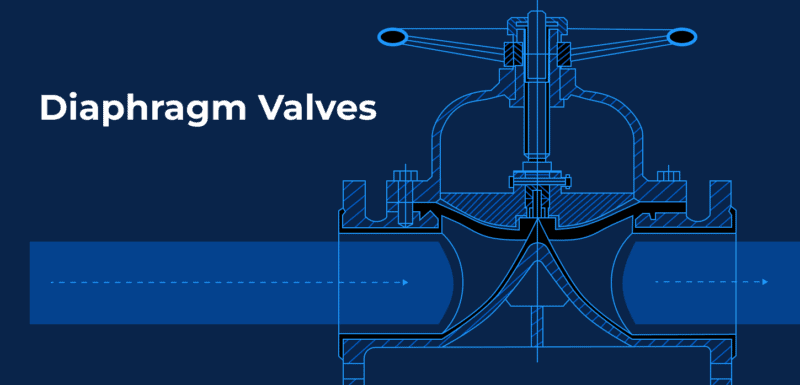
In many industries, valves are used to control the flow of liquids or gases. Diaphragm valves are a specific type of valve that uses a flexible diaphragm to control this flow. These valves are simple, reliable and work well in industries where cleanliness and precise flow control are important.
In this blog post, we’ll explain what diaphragm valves are, how they work and why they are used in so many different industries. You’ll learn about their parts, the different types available and the materials used to make them. We’ll also discuss the pros and cons of diaphragm valves and give tips on how to maintain them.
What Are Diaphragm Valves?
Diaphragm valves, also called membrane valves, are a type of valve that uses a flexible diaphragm to control the flow of fluids. The diaphragm presses against a seat to either stop, regulate or allow the flow. These valves are operated through linear motion, meaning the diaphragm moves up and down to control the fluid flow.
The main feature of a diaphragm valve is its elastomeric diaphragm, which is pressure-sensitive and directly responsible for opening, closing or adjusting the valve’s flow. Unlike pinch valves, which use a liner in the valve body, diaphragm valves rely solely on the diaphragm for their operation.
Diaphragm valves work by changing the position of the diaphragm:
- When the diaphragm is pushed tightly against the valve seat, it completely stops the flow of fluid.
- When the diaphragm is lifted, the valve allows fluid to pass through and can also regulate the flow rate.
These valves are very flexible and can handle different types of substances, including liquids, gases and even thicker materials like slurries or sludge. Their design helps prevent blockages and keeps the flow smooth, even when dealing with fluids that contain solid particles.
Components of Diaphragm Valves
To get a clear picture of how diaphragm valves perform their functions, let’s explore their main parts. These include the stem, bonnet, compressor, diaphragm and actuator, which are made from materials like plastic, brass and steel to match their specific uses.
1. Bonnet
The bonnet is the top part of the diaphragm valve. It covers and protects the internal components, such as the compressor, stem and diaphragm. The bonnet is securely bolted to the valve body, keeping everything in place and shielding the internal parts from outside elements. In situations where hazardous liquids or gases are involved, sealed bonnets are used to contain any leaks if the diaphragm fails.
There are two types of bonnets, each designed for specific needs:
- Sealed Bonnets are equipped with bushings and O-rings to prevent leaks. These bonnets are essential for handling dangerous substances.
- Vacuum Bonnets are specifically designed for applications involving vacuum pressures. These bonnets maintain the integrity of the valve under reduced pressure conditions.
2. Valve Body
The valve body serves as the main housing through which the media flows. It is directly connected to the pipeline and is designed to facilitate smooth fluid passage. Valve bodies are made from materials like stainless steel or cast iron, which resist corrosion and last a long time, even when handling aggressive or abrasive fluids.The design of the valve body can vary, with different shapes and configurations to meet specific flow needs.
There are two different types of valve body:
- Weir Type Valve Body includes a raised lip or saddle, known as a weir, over which the diaphragm closes. This design is particularly effective for controlling small fluid flows and is commonly used in applications that require precise flow regulation.
- Straight-Through (or Straightway) Valve Body is characterized by a flat bottom that allows fluids to flow through without much resistance. It’s ideal for handling thick or solid-containing fluids, as it reduces the chance of clogs.
3. Diaphragm
The diaphragm is a flexible membrane that directly controls media flow in a diaphragm valve. It works by pressing against or lifting from the valve seat to regulate or block the flow. Diaphragms are usually made from durable materials such as rubber, EPDM (ethylene propylene diene monomer) or other synthetic compounds, often combined with polypropylene for enhanced performance. These materials are chosen for their flexibility, resistance to chemicals and durability under a range of operating conditions.
The diaphragm also acts as a barrier, keeping the fluid separate from other parts of the valve, such as the stem and actuator. This separation prevents contamination of the fluid and protects the valve’s internal parts from corrosion caused by exposure to harsh or reactive media. However, the material composition of the diaphragm sets the limits for the valve’s operating temperature and pressure. Over time, diaphragms can wear out or become weak from use, so they need to be replaced regularly to keep the valve working properly.
4. Compressor
The compressor is the part of a diaphragm valve that drives the diaphragm’s movement. It is positioned between the stem and the diaphragm, transmitting the linear motion of the stem to the diaphragm itself. When the stem moves, the compressor pushes or pulls the diaphragm to block, allow or control the flow of fluid. The compressor converts the stem’s linear motion into the necessary action to operate the diaphragm effectively.
5. Stem
The stem is a vertical rod that links the actuator to the diaphragm through the compressor. Its main role is to provide the up-and-down (linear) movement needed to operate the diaphragm, which in turn controls the flow of fluid through the valve. Stems can be designed in two primary ways:
- Rising Stems are designed to move up and down visibly when the valve is operated. This movement provides a clear visual indication of whether the valve is open or closed, which is helpful for monitoring and maintenance. However, rising stems require more vertical space, making them less suitable for tight or confined installations.
- Non-Rising Stems rotate to open or close the valve without changing their vertical position. This design is ideal for installations where space is limited, such as in underground piping systems, because it does not require additional room for stem movement.
Stems can also be categorized based on their operational mechanisms:
- Piston-Type Stems use a piston assembly within the bonnet, with the valve stem often serving as the piston rod. This type relies on linear force from fluid pressure to operate.
- Threaded-Type Stems rely on a stem nut for operation and need torque and lubrication to function smoothly.
6. Actuator
The actuator is the component responsible for moving the stem, compressor and diaphragm to control the flow of fluid through the valve. It provides the necessary force to open, close or modulate the valve’s position.
Different types of actuators are used for specific needs:
- Manual Actuators are operated by hand using a wheel or crank. They are simple and cost-effective, suitable for applications where automation is unnecessary. These actuators depend on human effort to adjust the position of the valve.
- Electric Actuators use an electric motor to control the valve. They are ideal for automated systems that need precise control and integration with electronic systems. These actuators are also suitable for remote operation and can include features like position indicators and feedback systems for monitoring.
- Pneumatic Actuators use compressed air to create linear motion, allowing for quick valve operation. These actuators are commonly used in systems where fast responses are necessary. They can be single-acting, where air opens the valve and a spring closes it (or vice versa), or double-acting, where air is used for both opening and closing the valve.
- Hydraulic Actuators rely on pressurized hydraulic fluids, such as oil, to generate movement. They produce high force, making them suitable for larger valves or systems with high pressure. These actuators are often used where significant force and precise control are needed, although they operate more slowly compared to pneumatic actuators.
- Thermal Actuators adjust the valve position automatically in response to changes in fluid temperature. These actuators are useful in systems that require temperature regulation, as they provide an automatic response without relying on an external power source.
7. Position Indicators
Position indicators are devices that show whether a diaphragm valve is open or closed. They provide important information for monitoring and managing the system. Position indicators often include visual tools like pointers, color-coded markers or transparent windows that make it easy to see the valve’s position.
For example, a specific color or marker may indicate whether the valve is fully open or closed. Some indicators also have electrical feedback systems, like limit switches or sensors, that send signals to control panels. This feature is especially useful in automated systems for operators to monitor the valve’s status remotely.
8. Connection Options
Diaphragm valves are connected to pipelines using different methods to create a secure and leak-proof seal. The type of connection used depends on the system’s needs and operating conditions.
- Threaded Connections involve screwing the valve onto the pipe. This method provides a secure seal and is commonly used for smaller valves in systems with low to moderate pressure. Threaded connections are easy to install and remove, making them practical for maintenance.
- Compression Fittings create a tight seal without threading by compressing a washer or ferrule around the pipe. These connections are ideal for systems where disassembly is needed or where heat cannot be applied, such as in delicate operations.
- Bolt Flanges use bolts to attach the valve and pipe securely. They provide a strong seal and are typically used for larger valves and systems with high pressure. This method is also easy to assemble and disassemble for maintenance.
- Butt Welds connect the valve and pipe by welding their ends together without overlapping. This creates a strong and leak-proof seal, which is ideal for pipelines that handle high pressure. The smooth connection allows fluids to flow easily and minimizes turbulence in the system.
- Clamp Flanges hold the valve and pipe together using clamps. These are especially common in industries like food and beverage, where quick assembly, disassembly and cleanliness are critical.
- Metal Face Seals use two metal rings and O-rings to create a tight and durable seal. These connections are reliable in systems with high pressure or temperature and provide a long-lasting solution for demanding conditions.
Types of Diaphragm Valves
Diaphragm valves mainly come in two types: straight and weir diaphragm valves. The main difference between them is in the design of the valve body and diaphragm.
1. Weir Diaphragm Valves
Weir diaphragm valves are one of the most commonly used types of valves. They have a raised lip or saddle inside the valve body, called a weir, where the diaphragm seals. This design reduces the distance the diaphragm needs to move between open and closed positions. This lowers the stress on the diaphragm and allows for thicker, more durable materials to be used. Because of this, weir diaphragm valves work well in systems with high pressure or vacuum conditions.
These valves are excellent for controlling flow, even at low rates, making them a good choice for throttling applications. Their two-piece compressor system helps with precise flow control by lifting the center of the diaphragm first, followed by the outer sections for finer adjustments.
Weir diaphragm valves are also self-draining, which makes them ideal for industries like food processing, where cleanliness is very important. They are effective for handling gases, clean liquids and even corrosive or hazardous substances. However, they may not be the best option for fluids with sediments or very thick fluids, as these materials can build up on the weir and reduce the valve’s performance.
2. Straight-Through Diaphragm Valves
Straight-through diaphragm valves, also called full-bore or straightway valves, have a flat-bottom design that lets fluids flow directly through without any obstacles. In this type of valve, the diaphragm seals against the flat bottom to stop the flow. Because of this design, the diaphragm needs to be made from a more flexible material, which can wear out faster and might need to be replaced more often.
These valves are best for handling thick or semi-solid fluids like slurries, sludge and other viscous materials. The flat design helps reduce blockages and makes the flow smoother. Straight-through valves can also handle bi-directional flow, meaning the fluid can move in either direction without any issues.
Straight-through diaphragm valves are often used in systems that need quick opening and closing of the valve or where the flow path needs to stay as clear as possible with minimal pressure drop.
Types of Diaphragm Valves for Specific Applications
Diaphragm valves can be grouped into different types based on how they are used, as follows:
1. Sanitary Diaphragm Valves
Sanitary diaphragm valves are used in industries like food, beverages and pharmaceuticals, where keeping fluids clean and free of contamination is essential. These valves maintain a sterile environment to prevent the growth of bacteria or fungi. They are designed to handle liquids, gases and semi-solid materials while meeting strict cleanliness requirements. Their self-draining design, especially in weir-style valves, makes them ideal for hygienic processes.
2. Biotech Diaphragm Valves
Biotech valves are designed for handling fluids with microorganisms or biological materials. They are commonly used in processes like bioreactors, fermenters, filtration systems and freeze-thaw applications. These valves are important in industries such as medicine, agriculture and food science, as they protect the integrity of biological materials.
3. Hygienic Diaphragm Valves
Hygienic diaphragm valves are designed to prevent fluids from collecting or stagnating inside the valve, reducing the risk of contamination. These valves are widely used in food and beverage industries. They support Cleaning In Place (CIP) and Cleaning Out of Place (COP) processes, which allow thorough cleaning without taking the system apart.
4. Process Diaphragm Valves
Process diaphragm valves are flexible and can be used to control the flow of liquids and gases in many industries. They can act as throttling valves to regulate the flow, shut-off valves to stop it or isolation valves to separate parts of a system. These valves are tough and can handle harsh materials like corrosive chemicals or abrasive fluids, making them a good choice for industries such as chemical processing, water treatment and mining.
5. Zero Static Diaphragm Valves
Zero static diaphragm valves are made for pharmaceutical systems where it’s essential to stop fluids from sitting still in the pipes. These valves are designed to eliminate areas where fluids might collect, called “dead legs,” which helps prevent contamination. They are used to keep critical fluids, like Water for Injection (WFI), clean and pure. Zero static valves are often used for transferring, sampling or redirecting fluids while keeping the process sterile and safe.
Commonly Employed Materials in Diaphragm Valve Manufacturing
Diaphragm valves are made from a variety of materials to meet the needs of different applications. The choice of materials depends on factors like the type of fluid being handled, operating pressure and temperature.
Valve Body Materials
The valve body houses the flow of fluids and must be strong and compatible with the media it handles.
- Cast Iron is a strong and cost-effective material often used to manage water, air and certain chemicals.
- Ductile Iron offers additional strength and is better suited for applications involving high stress or impact.
- Carbon Steel provides durability and is preferred in systems requiring shock resistance.
- Stainless Steel resists corrosion and is commonly used in industries like food processing and pharmaceuticals where cleanliness is non-negotiable.
- PVC (Polyvinyl Chloride) is a lightweight and affordable plastic ideal for low-pressure systems.
- CPVC (Chlorinated Polyvinyl Chloride) offers better resistance to higher temperatures and chemicals compared to regular PVC.
- PP (Polypropylene) is a strong plastic that resists many chemicals and works well for corrosive liquids.
- PVDF (Polyvinylidene Fluoride) is a durable plastic that withstands highly corrosive fluids and elevated temperatures.
Diaphragm Materials
The diaphragm regulates fluid flow and must be flexible while resistant to wear and chemical exposure.
- EPDM (Ethylene Propylene Diene Monomer) handles acids, caustics and hot water effectively.
- PTFE (Polytetrafluoroethylene) is highly resistant to chemicals, which makes it ideal for aggressive fluids.
- Natural Rubber provides flexibility and works well in less demanding applications.
- Nitrile (Buna-N) performs well when handling oils or petroleum-based fluids.
- Viton withstands a wide range of aggressive chemicals and high temperatures.
- Butyl works effectively with gases and steam sterilization due to its resistance to vapor and gases.
Stem and Bonnet Materials
The stem and bonnet provide structural support and help operate the valve.
- Stainless Steel is the most common choice due to its strength and resistance to corrosion.
- Brass is sometimes used in lighter applications where corrosion resistance is still needed but the conditions are less demanding.
Key Factors for Selecting and Operating Diaphragm Valves
Choosing and using diaphragm valves effectively depends on several important factors. These considerations help make sure the valve works reliably and lasts a long time in its specific application.
1. Application Requirements
It is important to consider the type of fluid being handled. This includes knowing whether the fluid is a liquid, gas or slurry, as well as its properties, like whether it is corrosive, thick or contains solids. Additionally, the valve must be able to handle the system’s temperature and pressure conditions without failing.
2. Valve Size and Flow Control
The valve must be the right size to let fluid flow properly without causing unnecessary pressure loss or wasting energy. The valve’s flow coefficient (Cv) is an important factor that should match the system’s needs to make sure it works efficiently. The flow coefficient (Cv) tells you how much water (in gallons per minute) at 60°F can pass through the valve with a pressure drop of 1 psi. It can be calculated using this formula:
Cv = Q × √(SG / ΔP)
Where:
- Cv is the flow coefficient.
- Q is the flow rate in gallons per minute (GPM).
- SG is the specific gravity of the fluid (for water, SG = 1).
- ΔP is the pressure drop across the valve (in psi).
For water, where SG = 1, the formula becomes:
Cv = Q ÷ √(ΔP)
Using a valve with the correct Cv value helps the system achieve the desired flow rate without overloading the valve or wasting energy. It is also important to consider the pressure drop caused by the valve. Systems with low pressure loss often require valves that can open and close quickly to maintain efficiency. A valve with good rangeability, meaning it can control flow from low to high levels, offers better control.
3. Material Selection
The materials used in the valve must resist corrosion and match the type of fluid being handled. Diaphragms are often made of materials like EPDM, PTFE, butyl rubber or nitrile rubber. Each of these materials has specific temperature limits and resistance to different types of chemicals.
4. Manual or Automated Operation
Decide if the valve should be operated manually or automatically. Manual valves use a handwheel or lever, while automated valves rely on electric, pneumatic or hydraulic actuators. The choice depends on how often the valve will be used and how precise the control needs to be.
5. Maintenance and Installation
Valves should be easy to take apart for cleaning and repairs. It is also important to ensure replacement parts are available when needed. When installing the valve, there should be enough space to access all parts for inspections and maintenance, including the actuator.
6. Compliance with Standards
Make sure the valve meets the required industry standards and certifications. This is especially important in industries like food production or pharmaceuticals, where safety and hygiene are critical.
7. Cost and Availability
When choosing a valve, it is important to consider both the initial cost and how long the valve will last. You should also think about how much maintenance it will need to ensure it is a good value for your system.
Advantages and Disadvantages of Using Diaphragm Valves
Diaphragm valves are commonly used in many industries due to their reliable design and functionality. However, they also have certain limitations. Below is an overview of their advantages and disadvantages.
Advantages
- Leak-Proof Design. The flexible diaphragm provides a secure seal, which prevents leaks and ensures reliable shut-off.
- Resistance to Corrosion. Many diaphragm valves are made from materials such as PVC, polypropylene or PVDF, which are suitable for handling corrosive fluids in chemical processes.
- Ease of Maintenance. The simple design and minimal moving parts allow for easy disassembly, cleaning and repair, which helps reduce downtime during servicing.
- Versatility. Diaphragm valves can handle different types of fluids, including thick, abrasive or dirty substances, which makes them useful in many industries.
- Protection of Internal Components. The diaphragm acts as a barrier that separates the fluid from the internal parts of the valve. This feature prevents contamination and protects the operating mechanism from damage.
Disadvantages
- Limited Temperature and Pressure Capacity. Diaphragm valves are not suitable for systems with very high temperatures or pressures because the diaphragm material has specific limits.
- Frequent Diaphragm Replacement. The diaphragm may wear out over time, especially when exposed to harsh chemicals or abrasive fluids, which requires regular inspection and replacement.
- Restricted Flow Capacity. The valve’s design reduces its ability to handle high flow rates, which makes it less efficient for systems requiring large volumes of fluid.
- Limited Suitability for Vacuum Systems. While some diaphragm valves excel in certain vacuum ranges, standard diaphragm valves may not be suitable for very extreme vacuum environments.
- Size Limitations. Diaphragm valves are generally available in smaller sizes, which may limit their use in larger systems.
Maintenance and Troubleshooting Tips for Diaphragm Valves
To keep diaphragm valves working well and lasting longer, regular care and quick fixes are important. Here are some simple tips with easy explanations to help you:
1. Check diaphragms often for wear or damage
Over time, diaphragms can get worn out because of age, harsh chemicals or too much pressure. Checking them regularly helps catch problems early, preventing leaks or failure. If you see cracks, tears or other damage, replace the diaphragm right away to keep the valve working well.
2. Clean the valve body and components to prevent buildup and contamination
Dirt, debris or process materials can build up and block the flow, causing the valve to work poorly. Cleaning the valve regularly keeps the flow clear and the process fluid clean. Use cleaning products that are safe for the valve materials and dry everything completely before putting it back together.
3. Ensure proper actuator alignment and functionality
If the actuator is not aligned properly, the valve may not open or close the way it should. Check regularly to make sure the actuator lines up correctly with the valve stem and works smoothly. Fix any alignment or mechanical issues right away to keep the valve operating reliably.
4. Check for leaks at the diaphragm and sealing surfaces
Leaks can happen if the diaphragm is damaged, not seated correctly or if seals are worn out. Inspect the diaphragm and sealing surfaces often to spot leaks. If you find any, figure out the cause—like a damaged diaphragm or seal—and replace the faulty part to prevent contamination or fluid loss.
5. Verify that the valve operates smoothly without binding or excessive force
A valve that operates smoothly usually means the internal parts are in good shape. If it feels stuck or needs too much effort to move, there could be blockages, rust or worn parts inside. Check and fix these issues to avoid further damage.
6. Lubricate moving parts according to the manufacturer’s recommendations
Lubrication reduces friction and wear on moving parts, helping the valve last longer. Use only the lubricants recommended by the manufacturer, as using the wrong type can damage the valve materials. Regular lubrication keeps the valve moving smoothly and prevents parts from getting stuck.
7. Replace diaphragms and seals on a regular maintenance schedule
Diaphragms and seals can wear out even if they don’t show visible damage. Set up a schedule to replace these parts regularly, following the manufacturer’s recommendations or based on how often the valve is used. This helps avoid unexpected problems and keeps the valve working properly.
8. Monitor flow rates for any changes that could indicate problems
Changes in flow rates can mean there’s a blockage, damage to the diaphragm, or other valve issues. Keep an eye on flow rates and check for anything unusual. Fix any problems you find to prevent bigger issues from developing.
9. Use the right tools to avoid damaging the valve during disassembly
Using the wrong tools can damage valve parts, causing leaks or other problems. Always use the tools suggested by the manufacturer and follow the proper steps when taking the valve apart to keep it in good shape.
10. Keep records of maintenance and any problems found
Keeping a log of maintenance work and any problems you notice helps you keep track of the valve’s history. This makes it easier to spot repeating issues and plan future repairs. Keeping records is also helpful for troubleshooting and meeting any rules or standards.
Make the Right Choice for Your System
So, is a diaphragm valve what you need? Diaphragm valves are an excellent choice if you require precise flow control, resistance to corrosion or reliable operation in industries like pharmaceuticals, food processing or water treatment. Their ability to handle clean, abrasive and even corrosive fluids makes them a versatile and dependable option.
But if your system requires a valve designed for high-pressure environments, or if you need more help selecting the right valve, explore our guide on 15 Factors to Consider Before Your Next Industrial Ball Valve Order. This guide provides valuable insights to help you make the best decision and make sure you choose the best solution for your application.
FAQs about Diaphragm Valves
What is the life expectancy of a diaphragm valve?
The lifespan of a diaphragm valve depends on factors like design, materials, operating conditions and maintenance. High-quality valves can last for many years, but exposure to harsh chemicals or extreme temperatures may shorten their service life.
What is the difference between ball valves anddiaphragm valves?
The main difference is how they control flow. Ball valves use a rotating ball for quick on-off control, while diaphragm valves use a flexible diaphragm for more precise control and are better for handling corrosive or thick fluids.
What is the difference between a diaphragm valve and a butterfly valve?
A diaphragm valve uses a flexible membrane to control flow and provides precise regulation with a tight seal, which makes it ideal for accurate flow control. In contrast, the butterfly valve has a rotating disc to manage flow, works well for high flow rates and is often used in large pipelines with lower pressure needs.
George Packard
Vice President of Marketing
George Packard, Vice President of Marketing at Gemini Valve, has been involved in Technical Sales and Marketing in the valve industry for over 10 years. George’s varied experience includes communicating with clients to troubleshoot critical applications, and working alongside top engineers in the industry to promote the latest innovations in automated ball valve design.
15 Factors to Consider Before Your Next Industrial Ball Valve Order
This guide includes everything you need to know before placing your next industrial ball valve order.